Photo
Elephant
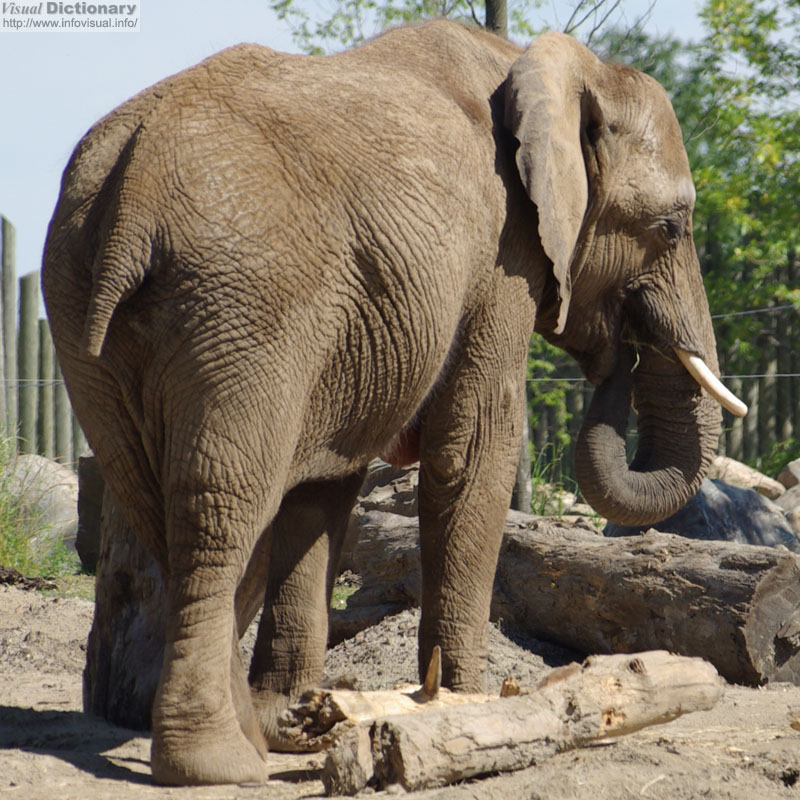
The elephants are a family in the order Proboscidea in the class Mammalia. There are three living species: the African Bush Elephant, the African Forest Elephant and the Asian Elephant (also known as the Indian Elephant). Other species have become extinct since the last ice age, the Mammoths being the best-known of these. They were once classified along with other thick skinned animals in a now invalid order, Pachydermata. Elephants are the largest land animals. The elephant's gestation period is 22 months, the longest of any land animal. At birth it is common for an elephant calf to weigh 120 kilograms (260 lb). An elephant may live as long as 70 years, sometimes longer. The largest elephant ever recorded was shot in Angola in 1956. This male weighed about 12,000 kilograms (26,000 lb), with a shoulder height of 4.2 metres (14 ft), a metre (yard) taller than the average male African elephant. The smallest elephants, about the size of a calf or a large pig, were a prehistoric species that lived on the island of Crete during the Pleistocene epoch.
The elephant has appeared in cultures across the world. They are a symbol of wisdom in Asian cultures and are famed for their memory and intelligence, where they are thought to be on par with cetaceans and hominids. Aristotle once said the elephant was "the beast which passeth all others in wit and mind". Healthy adult elephants have no natural predators, although lions may take calves or weak individuals. They are, however, increasingly threatened by human intrusion and poaching. Once numbering in the millions, the African elephant population has dwindled to between 470,000 and 690,000 individuals. The elephant is now a protected species worldwide, with restrictions in place on capture, domestic use, and trade in products such as ivory.